S & D Plumbing is now Beyond Wow Plumbing! New name, same ownership.




Slab Leak Detection & Repair in Austin, TX
A slab leak isn’t the kind of problem that announces itself. It builds quietly, under the concrete, out of sight, while water bills climb, floors stay inexplicably warm, or a faint smell of mildew creeps into rooms that should be dry. By the time most Austin homeowners call a plumber, the leak has often been going for weeks. And in a city with some of the most expansive clay soil in the country, aging copper slab plumbing, and freeze events that have stressed underground pipes for years, the conditions that cause slab leaks don’t take a break.
Beyond Wow Plumbing has detected and repaired slab leaks across Austin since 1980. We locate the leak without tearing up your floors, walk you through exactly what we found, and repair it with the least disruption to your home possible. We’ve helped more than 250,000 Austin-area homeowners, and our Gold Collar Team brings that same upfront, no-surprises approach to every slab leak call.
Contact Beyond Wow Plumbing today to schedule your slab leak inspection and repair!
Warning Signs of a Slab Leak in Your Austin Home
Slab leaks don’t all look the same, and the warning signs vary depending on whether the leak is in a pressurized water line or a non-pressurized sewer or drain line. Both of which are common in Austin’s slab-foundation housing stock.
Signs of a water-line slab leak:
- A noticeable spike in your water bill with no change in usage
- Warm or hot spots on tile or hardwood floors
- The sound of running water when everything in the house is off
- Low water pressure at fixtures throughout the home
- Damp carpet or flooring with no visible source
Signs of a sewer or drain-line slab leak:
- Persistent musty or sewage odors at floor level
- Recurring drain backups or slow drains with no obvious blockage
- Unusually lush or soggy spots in the yard near the foundation
- Cracks appearing in interior flooring or walls
If you’re seeing any of these, don’t wait. A slow leak under a slab only gets harder and more expensive to deal with over time. You can try the meter test. Turn off every fixture and appliance that uses water (including ice makers), then check your water meter. If the readout shows water still flowing, it’s going somewhere it shouldn’t. Worth noting it only detects pressurized water-line leaks, not sewer or drain-line leaks, since that water has already passed through the meter.
Why Austin's Clay Soil, Hard Water, and Winter Freezes Cause Slab Leaks
Three factors work on Austin’s slab foundations in ways most cities don’t experience at the same intensity:
- Blackland Prairie clay: The expansive clay soil covering much of Central Texas swells when it absorbs moisture and contracts sharply during drought conditions. That constant movement stresses pipes buried in or beneath the slab and Austin’s late-summer drought cycles, when clay pulls away from foundations most aggressively, are when slab leaks tend to surface.
- Hard water: With hardness levels averaging around 93 ppm according to Austin Water’s 2025 Consumer Confidence Report, Austin’s water supply is hard enough to gradually corrode the interior walls of copper supply lines over decades of exposure.
- Freeze events: Central Texas plumbing wasn’t designed for extreme freezing temperatures, and when those conditions hit, the stress on your pipes can be significant. Some pipes fail right away – others take on hidden damage that doesn’t show up immediately. Over time, that weakened pipe material can develop into slow slab leaks in homes where nothing seemed wrong at the time.
How We Find and Fix a Slab Leak
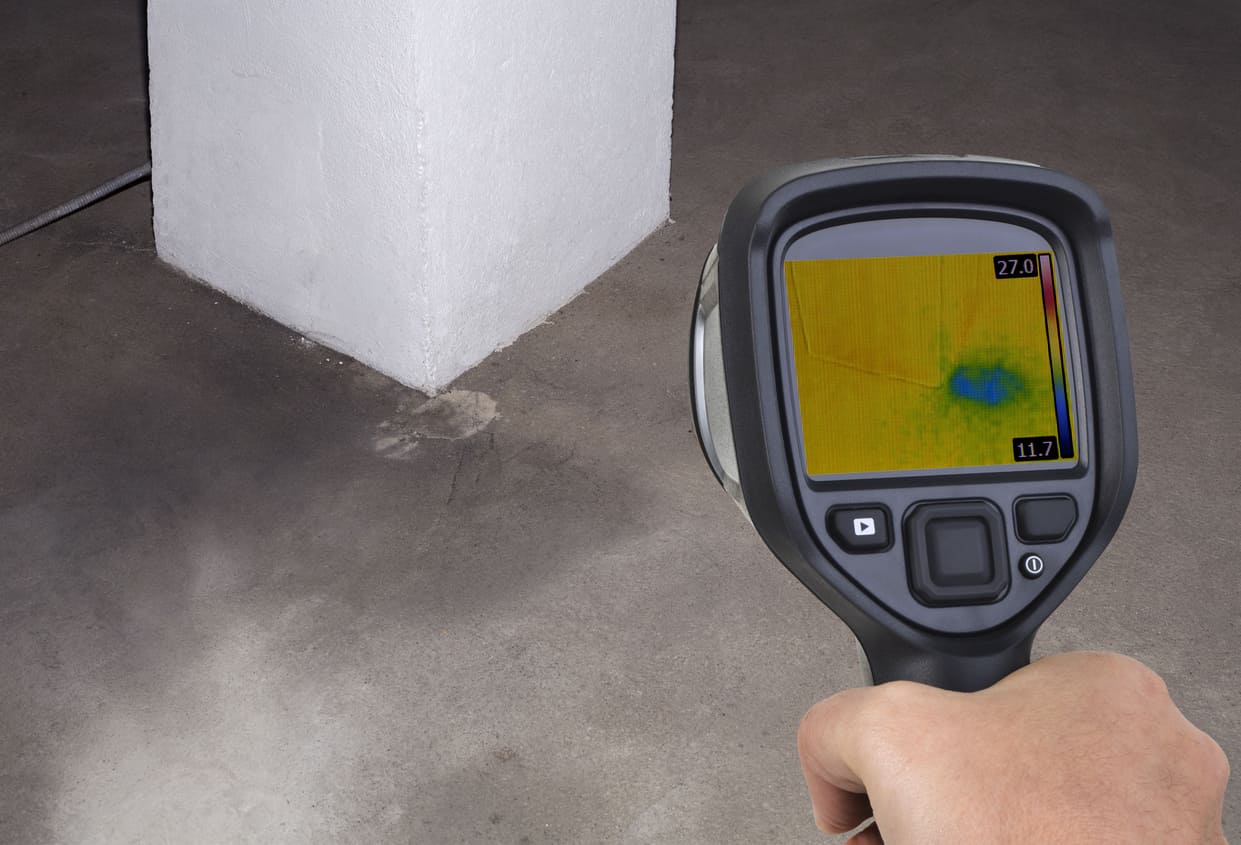
The foundation of Beyond Wow’s approach is locating the leak precisely before anything is opened up. Using electronic listening equipment, pressure testing, and thermal imaging where applicable, we pinpoint the source to a specific section of pipe, not a general area that requires tearing up flooring to investigate.
Once we know exactly where the problem is, we walk you through what we found and what the repair looks like before any work begins. The goal is always the least disruption to your home possible, and you’ll know the full cost before we touch a thing.
Serving Austin’s Older Neighborhoods
The Austin neighborhoods with the highest concentration of slab leak calls share a common profile – homes built between the 1960s and 1980s on slab foundations with original copper supply lines still in place. Windsor Park, University Hills, Windsor Hills, Crestview, Allandale, and Milwood are seeing this play out in real time.
These homes are now carrying 40 to 60 years of hard water corrosion, freeze stress, and soil movement. Beyond Wow has been working in these neighborhoods since those pipes were relatively new, and we know exactly what that history means for detection and repair.
What a Slab Leak Repair Costs and What Your Insurance May Cover
Slab leak repair costs vary based on where the leak is located, how accessible the pipe is, and whether water damage to flooring or drywall needs to be addressed alongside the plumbing work. Beyond Wow provides upfront pricing once we’ve located the source.
On the insurance side, coverage hinges on cause. Texas policies typically cover resulting water damage if the leak was sudden and accidental, but the pipe repair itself is usually excluded and gradual leaks from corrosion or wear can be denied outright. Whether the cost to access the pipe through flooring or concrete is covered also varies by policy. If your leak is tied to a specific event like a freeze, document everything carefully and contact your insurer before any repairs are made. Beyond Wow can walk you through what we found and what documentation may be useful, though coverage questions are always best directed to your provider directly.
Why Choose Beyond Wow for Slab Leak Detection in Austin
A slab leak diagnosis is only as good as the equipment and experience behind it. Getting it wrong means opening up flooring you didn’t need to touch, or worse, missing the source entirely and watching the problem resurface. Beyond Wow has been detecting and repairing slab leaks across the Austin metro since 1980: through freeze cycles, drought years, and the steady corrosive work of hard water on copper lines in homes that were built before most of our competitors existed.
- Precision detection before anything is opened: Electronic listening equipment, pressure testing, and thermal imaging locate the source to a specific pipe section, not a general zone.
- Repair handled by the same team: No handoffs. The team that finds the leak has the licensing and equipment to fix it.
- Transparent pricing before work begins: You’ll know the full scope and cost after detection, before a single thing is cut or opened.
- Gold Collar technicians: Trained specifically in Austin’s slab-era neighborhoods, pipe materials, and the freeze and soil conditions that cause leaks here.
- Available when you need us: Phones answered day and night, with scheduling for the soonest available appointment.
- A+ BBB rating for more than three consecutive decades: Few plumbers in Austin have maintained that accreditation as long as we have.
- Over 250,000 homeowners helped since 1980: Including plenty of slab-era homes in University Hills, Windsor Park, Northwest Hills, and Milwood.
Ready to Find It and Fix It?
Don’t let a hidden leak work on your foundation any longer than it already has. Beyond Wow’s Gold Collar Team will locate it precisely, price it honestly, and repair it with the least disruption to your home.
Austin Leak Detection & Repair FAQs
What are the first signs of a slab leak?
The most common early signs are an unexplained spike in your water bill, warm spots on the floor, or the sound of running water when nothing is on. Sewer-side slab leaks more often show up as persistent odors, slow drains, or recurring backups.
Does homeowners insurance cover slab leak repair in Austin?
Coverage hinges on cause. Texas policies typically cover resulting water damage if the leak was sudden and accidental, but the pipe repair itself is usually excluded and gradual leaks from corrosion or wear can be denied outright. Whether the cost to access the pipe through flooring or concrete is covered also varies by policy, so reviewing yours before work begins is worth the call.
Could past freezes have weakened the plumbing under my slab?
Yes, indirectly. Severe freezes cause Central Texas clay to shift drastically, putting intense stress on buried copper lines and solder joints rather than freezing them solid. That hidden mechanical strain often triggers slow leaks down the road. If you suspect an issue, a non-invasive inspection is worth scheduling.
How long does slab leak detection take?
Detection is typically completed within a few hours depending on the home's size and slab complexity. Beyond Wow walks you through the findings before any repair work is discussed.
Can a slab leak damage my foundation?
Yes, prolonged water intrusion beneath a slab can erode the supporting soil and lead to settlement and cracking over time. The longer it goes unaddressed, the more the scope and cost of repair tends to grow.
Does hard water really damage pipes from the inside?
Austin Water's own testing puts average water hardness at 93 ppm; hard enough to wear on copper supply lines over decades. In homes with original copper embedded in the slab, that slow corrosion is one of the leading causes of slab leak failures.
What should I do if I think I have a slab leak?
Turn off your main water supply and then call a licensed plumber right away. Avoid running water unnecessarily, and if you plan to file an insurance claim, document any visible damage with photos before any work begins and contact your insurer before repairs are made.
Contact Beyond Wow Plumbing today for professional slab leak detection and repair services that keep your home safe and secure!

Free
Flow-tech Home Water Conditioning Device
With Installation of a New Tankless Water Heater A $1,500 value – included at no cost
Expires 9/30/26
This offer may not be combined with any other offers. Valid toward standard pricing only. Offer must be mentioned prior to starting job. Offers may not be applied to service fee.
$100 OFF
$100 off Tank-Type Water Heater Installation
Expires 9/30/26
This offer may not be combined with any other offers. Valid toward standard pricing only. Offer must be mentioned prior to starting job. Offers may not be applied to service fee.
Get In Touch With Our Team
Testimonials
What Our Clients Are Saying
We’ve helped over 250,000 happy homeowners in the Austin area. Here’s what they had to say.
6 days ago
Brock was an absolute life saver! We received an email from the city informing us of a significant water leak on our property. Beyond Wow was able to complete the dispatch that day and identify and fix the source. He is extremely friendly and professional with no up charging. Beyond Wow excellent job bringing this young man on your team!
Beth Shaffer

6 days ago
Jesse and Beyond Wow Plumbing were fantastic. I will go to them for all of my plumbing needs going forward. Jesse was extremely friendly, courteous, polite and communicative. He was very clear about what he was doing and explained very well. He took his time and thought outside the box and found the leak.
Phil Lemire
1 week ago
Mike was fabulous! I really appreciated how great his service was.
MarthaAnn Herrera
2 weeks ago
Mike was very friendly and quickly got the water heater repaired.
Alec Escamilla
2 weeks ago
Beyond Wow has been our go-to plumbing company for several years and they are always great. Today Hunter provided exceptional service during our annual inspection, tankless water heater flush and while addressing a few issues. He was so nice, knowledgeable, helpful and super competent. We are feeling reassured and happy! Thank you!
carolyn francis
2 weeks ago
Mike did a great job of getting my broken pipe fixed!!! He was knowledgeable, respectful and went above and beyond!!!
S Kruse
Ready for Out-of-This-World Plumbing Service?
Contact Beyond Wow Plumbing today to schedule your appointment. Our expert team is here to provide fast, reliable service and ensure your plumbing is working flawlessly. Don’t wait—reach out now!